Author: dicsindia

  • Graphic Designing: Turning Creativity into a Career

    Graphic Designing: Turning Creativity into a Career

    In today’s visually-driven world, graphic design has become a critical element of communication and branding. From crafting eye-catching logos to designing engaging social media posts, graphic designers shape how we interact with the visual world. For those with a creative spark and a passion for design, pursuing a career in graphic design can be both fulfilling and lucrative.

    What is Graphic Design?

    Graphic design is the art and practice of creating visual content to communicate messages. By combining typography, imagery, color, and layout, graphic designers craft visuals that captivate, inform, and inspire audiences.

    Applications of Graphic Design:

    • Branding: Logos, business cards, and packaging that define a company’s identity.
    • Marketing Materials: Flyers, brochures, and advertisements that drive engagement.
    • Digital Media: Social media graphics, web design, and infographics for online platforms.
    • User Interface Design: Visuals for apps, websites, and software to enhance user experience.

    Why is Graphic Design Important?

    1. Visual Communication
      In a fast-paced world, visuals often communicate more effectively than words. Graphic design helps convey complex ideas in a simple, appealing way.
    2. Brand Identity
      Consistent and professional design creates a strong brand presence. It’s how companies build recognition and trust with their audience.
    3. Digital Era Demand
      With the rise of social media, websites, and online advertising, the need for skilled graphic designers has surged. Every business needs a visual strategy to thrive online.
    4. Versatile Skillset
      Graphic design skills are highly versatile, opening doors to various industries such as advertising, publishing, entertainment, and tech.

    Why Should You Learn Graphic Design?

    1. High Demand for Designers
      With businesses constantly seeking fresh, creative content, skilled graphic designers are always in demand. Freelance opportunities and full-time positions are abundant.
    2. Creative Expression Meets Technology
      Graphic design blends creativity with technology, allowing designers to turn their artistic vision into digital masterpieces.
    3. Lucrative Career Opportunities
      The average salary for graphic designers has increased with the growing demand for digital content, offering financial stability along with creative fulfillment.
    4. Freelance Freedom
      Many graphic designers enjoy the flexibility of freelance work, choosing their projects and clients while maintaining a work-life balance.

    Key Tools and Skills:

    To excel in graphic design, you’ll need a mix of technical and creative skills.

    Essential Tools:

    • Adobe Photoshop: For photo editing and creating digital artwork.
    • Adobe Illustrator: For vector-based designs like logos and illustrations.
    • Adobe InDesign: Ideal for creating layouts for magazines, brochures, and books.
    • Canva: A beginner-friendly tool for quick and easy designs.

    Key Skills:

    • Creativity: An eye for aesthetics, color schemes, and innovative ideas.
    • Typography: Understanding fonts and their impact on design.
    • Attention to Detail: Precision is key to delivering professional-quality designs.
    • Communication Skills: Understanding client needs and translating them into visuals.

    How DICS Can Help You Become a Graphic Designer?

    At DICS, we offer comprehensive course tailored to equip you with the skills and knowledge you need to succeed in the industry.

    Why Choose Us?

    • Expert Trainers: Learn from experienced professionals in the field.
    • Hands-On Projects: Work on real-world assignments to build a strong portfolio.
    • Latest Software Training: Get proficient in industry-standard tools like Adobe Suite.
    • Career Support: Receive guidance and assistance to kickstart your career.

    Career Opportunities:

    1. Graphic Designer
      Work with businesses to create branding, advertisements, and marketing materials.
    2. UI/UX Designer
      Design user-friendly interfaces for websites and mobile applications.
    3. Freelance Designer
      Enjoy the freedom to work on diverse projects at your own pace.
    4. Art Director
      Lead creative teams and oversee the visual direction of projects.
    5. Motion Graphics Designer
      Combine animation with graphic design to create dynamic visuals for videos and advertisements.


  • Machine Learning: Unlocking the Future of Technology

    Machine Learning: Unlocking the Future of Technology

    In a world increasingly driven by data and automation, machine learning (ML) stands at the forefront of technological innovation. From powering recommendation systems on your favorite streaming platforms to enabling self-driving cars, ML has become a transformative force across industries. For aspiring tech professionals, learning machine learning is not just an option—it’s a necessity.

    What is Machine Learning?

    At its core, machine learning is a subset of artificial intelligence (AI) that enables computers to learn from data and improve their performance without being explicitly programmed. Instead of following static instructions, ML algorithms identify patterns in data, make predictions, and adapt over time.

    For example:

    • Spam filters use ML to identify and block unwanted emails.
    • Voice assistants like Alexa or Siri learn user preferences to deliver personalized experiences.
    • Healthcare systems utilize ML for predictive analytics, diagnosing diseases with remarkable accuracy.

    Why is Machine Learning Important?

    1. Widespread Applications
      Machine learning is no longer confined to tech giants like Google and Amazon. Industries such as healthcare, finance, marketing, and education are leveraging ML to enhance efficiency, improve customer experiences, and drive innovation.
    2. High Demand for Skilled Professionals
      The job market for ML specialists is booming. Roles like Data Scientist, AI Engineer, and ML Developer are not only high-paying but also offer opportunities to work on cutting-edge projects.
    3. Automation and Efficiency
      Businesses are increasingly turning to ML to automate repetitive tasks, streamline operations, and make data-driven decisions, making it a skill in high demand.
    4. Driving Future Innovations
      From climate modeling to personalized medicine, ML is paving the way for groundbreaking innovations that can solve some of humanity’s biggest challenges.

    How Machine Learning Works

    Machine learning involves three key steps:

    1. Data Collection and Preprocessing
      Data is the lifeblood of ML. Before algorithms can learn, raw data must be cleaned, labeled, and prepared.
    2. Model Training
      Algorithms analyze the data to recognize patterns and relationships. Popular ML algorithms include decision trees, neural networks, and support vector machines.
    3. Testing and Optimization
      Models are tested with new data to evaluate their performance. Based on the results, they are fine-tuned for better accuracy.

    Applications of Machine Learning

    • Healthcare: Early disease detection, personalized treatment plans, and drug discovery.
    • Finance: Fraud detection, algorithmic trading, and credit scoring.
    • Retail: Personalized shopping recommendations and inventory management.
    • Education: Adaptive learning platforms that customize lessons for individual students.
    • Transportation: Optimizing routes, traffic predictions, and autonomous vehicles.

    Why Should You Learn Machine Learning?

    1. Future-Proof Your Career
      In a tech-driven world, ML expertise ensures you stay relevant and competitive.
    2. Unlock High-Paying Opportunities
      According to industry reports, ML professionals are among the top earners in the IT field, with salaries reflecting their specialized skills.
    3. Enhance Problem-Solving Skills
      Learning ML sharpens your analytical and logical thinking, enabling you to tackle real-world challenges effectively.
    4. Contribute to Cutting-Edge Innovations
      Be part of transformative projects in AI, robotics, and beyond that shape the future.

    How DICS Can Help You Learn Machine Learning?

    At DICS, we offer comprehensive machine learning courses designed to equip you with in-demand skills.

    Why Choose Us?

    • Expert-Led Classes: Learn from experienced instructors who work on real-world ML projects.
    • Hands-On Training: Gain practical experience with projects that mirror industry requirements.
    • Cutting-Edge Tools: Master popular ML tools and frameworks like TensorFlow, Scikit-learn, and Python.
    • Job Assistance: Get career guidance and placement support to land your dream role in tech.
  • The Importance of MS Office in Daily Life

    The Importance of MS Office in Daily Life

    In the modern digital age, proficiency in basic software tools is essential for personal and professional productivity. One of the most widely used software suites that has become a staple in both workplaces and homes is Microsoft Office, commonly known as MS Office. This powerful suite includes applications such as Microsoft Word, Excel, PowerPoint, Outlook, and more, each serving a specific function that helps streamline daily tasks. Here, we explore the profound importance of MS Office in daily life.

    1. Microsoft Word: Simplifying Documentation

    Microsoft Word is perhaps the most frequently used word processor in the world. From students to professionals, the need to create, edit, and format text documents is universal. Whether it’s drafting a school report, writing a professional letter, or creating content for blogs and articles, Word provides an intuitive platform to work efficiently.

    Key Features and Benefits:

    • Ease of Formatting

      : Tools for fonts, styles, tables, and bullet points make documents clear and attractive.

    • Collaboration: Users can share documents and collaborate in real-time, enabling efficient teamwork.
    • Accessibility: Advanced features such as spell check, grammar suggestions, and voice typing make content creation accessible to a wider range of users.

    2. Microsoft Excel: Data Management and Analysis

    Excel is a powerhouse for data handling, enabling users to organize, analyze, and visualize data seamlessly. From simple personal finance tracking to complex business data analysis, Excel’s spreadsheet capabilities are unmatched.

    Applications in Daily Life:

    • Budgeting and Personal Finances: Individuals can keep track of expenses, plan monthly budgets, and set financial goals using templates or customized spreadsheets.
    • Business Analysis: Companies use Excel for data analysis, reporting, and forecasting to make informed decisions.
    • Data Visualization: With charts, graphs, and pivot tables, Excel transforms raw data into visual insights that are easier to understand.

    3. Microsoft PowerPoint: Enhancing Presentations

    PowerPoint is synonymous with presentations, providing tools for creating professional, engaging slideshows. From classroom projects to corporate boardroom pitches, the impact of PowerPoint is evident in its widespread use.

    Why PowerPoint Matters:

    • Visual Storytelling: The combination of images, animations, text, and videos helps convey messages more effectively.
    • Customization and Creativity: Users can personalize slides with themes, templates, and multimedia content to capture and maintain the audience’s attention.
    • Accessibility and Sharing: Presentations can be shared online or saved as PDFs for easy distribution.

    4. Microsoft Outlook: Streamlining Communication

    Outlook isn’t just an email client; it’s an organizational tool that helps manage daily communications and scheduling. The integrated calendar, task manager, and contact book make it essential for those managing a busy routine.

    Key Uses in Daily Life:

    • Email Management: Filters, search tools, and focused inbox features make organizing and prioritizing emails simple.
    • Scheduling: The built-in calendar helps users plan meetings, set reminders, and manage personal and professional schedules.
    • Task Management: Outlook’s task features allow users to create to-do lists, set deadlines, and track progress.

    5. Collaboration with MS Teams and OneDrive

    With the rise of remote work and online learning, tools that facilitate teamwork are more important than ever. Microsoft Teams and OneDrive are invaluable for those looking to collaborate and share resources.

    Benefits of MS Teams and OneDrive:

    • Team Communication: MS Teams allows for chat, video meetings, and project collaboration in one unified space.
    • File Sharing and Storage: OneDrive provides cloud storage for documents, ensuring that users can access their files from anywhere.
    • Real-Time Collaboration: Multiple users can work on the same document simultaneously, improving efficiency and productivity.

    6. Impact on Education and Learning

    MS Office has a significant role in education, providing both teachers and students with tools to enhance the learning experience. Word helps in creating assignments, Excel is used for data handling in scientific projects, and PowerPoint aids in developing presentations for projects and lectures.

    Why Students Benefit from MS Office:

    • Skill Development: Learning MS Office develops digital literacy, a critical skill in today’s job market.
    • Project Work: Students can create detailed projects, research papers, and presentations that improve their learning and communication skills.

    7. Empowering the Modern Workforce

    The professional world relies heavily on MS Office. Most job roles, regardless of industry, require some level of familiarity with the suite, particularly Word, Excel, and PowerPoint. The ability to use these tools effectively can be a significant career advantage.

    Real-World Examples:

    • Administrative Roles: Administrative assistants use Word and Outlook to manage documents and coordinate communications.
    • Marketing Professionals: Use Excel to track campaign metrics and PowerPoint for presenting strategies to clients.
    • Financial Analysts: Depend on Excel for complex financial modeling and data interpretation.
  • Unlock Your Future with Basic Computer Courses

    Unlock Your Future with Basic Computer Courses

    In today’s digital world, computer literacy is no longer an option—it’s a necessity. From academic environments to professional workplaces, basic computer skills are essential for success. Whether you’re a student, job-seeker, or someone looking to stay updated with technology, basic computer courses are your first step into the tech world.

    Why Enroll in a Basic Computer Course?

    A basic computer course is ideal for anyone new to computers or looking to build a strong foundation in technology. It equips you with essential skills to navigate through both personal and professional tasks efficiently. Here are a few reasons why these courses matter:

    1. Improves Productivity: Knowing how to use basic software tools like MS Office enhances your efficiency in school, work, and personal projects.
    2. Better Career Prospects: Many jobs today require at least a basic understanding of computers. Having these skills makes you stand out.
    3. Digital Independence: Whether it’s sending emails, managing files, or using the internet, computer literacy offers you the freedom to handle tasks independently.
    4. Gateway to Advanced Learning: Once you’ve mastered the basics, you can easily dive into more advanced fields like programming, data analytics, or web development.

    What Do Basic Computer Courses Cover?

    Most computer institutes offer beginner-friendly courses designed to provide an all-round understanding of essential computer concepts. Here’s an overview of the common modules covered:

    1. Introduction to Computers

    • Basic components of a computer (CPU, RAM, storage)
    • How to turn on/off and manage settings
    • Understanding operating systems (Windows/Linux)

    2. Microsoft Office Suite

    • MS Word: Document creation and formatting
    • MS Excel: Spreadsheets, formulas, and charts
    • MS PowerPoint: Making impactful presentations
    • MS Outlook: Email management and scheduling

    3. Internet Basics and Email

    • Browsing the web and online safety tips
    • Setting up and managing emails
    • Using cloud storage platforms like Google Drive and OneDrive

    4. File Management

    • Creating, organizing, and backing up files and folders
    • Understanding file formats (PDF, DOCX, JPEG, etc.)
    • Using USB drives, external hard drives, and cloud storage

    5. Typing and Keyboard Shortcuts

    • Improving typing speed and accuracy
    • Learning essential shortcuts to enhance productivity

    6. Basic Troubleshooting Skills

    • How to resolve common software and hardware issues
    • Virus protection and system maintenance

    Who Should Take Basic Computer Courses?

    • Students: Essential for academic success and assignments.
    • Job Seekers: Many companies require candidates to have basic computer knowledge.
    • Small Business Owners: Helps manage business activities more efficiently.
    • Homemakers and Senior Citizens: Empowering them to handle online transactions and digital communication independently.

    Career Opportunities After Completing a Basic Computer Course:

    • Office Assistant: Managing documents, emails, and schedules.
    • Customer Support Executive: Handling customer queries through online platforms.
    • Data Entry Operator: Working with spreadsheets and databases.
    • Freelancer: Offering virtual assistance or transcription services.

    Additionally, with your new computer skills, you can move on to more advanced certifications like web design, programming, or networking—leading to higher-paying jobs.

    How DICS Can Help You Get Started:

    At DICS, we offer a well-structured Basic Computer Course that caters to learners of all ages and backgrounds. Our experienced instructors and practical training sessions ensure you gain hands-on experience with:

    • MS Office tools
    • Internet navigation
    • File management techniques
    • Email communication skills

    We also offer flexible class timings, affordable fees, and certifications to help you build a competitive edge.

  • Empowering Your Career with Tally Education

    Empowering Your Career with Tally Education

    What is Tally and Why is it Important?

    Tally is a comprehensive ERP (Enterprise Resource Planning) software primarily used for accounting, inventory management, payroll, and taxation. Trusted by businesses of all sizes, Tally simplifies complex financial transactions, providing real-time insights into financial health.

    With the rise of GST, e-invoicing, and automation in taxation processes, businesses are increasingly adopting Tally for managing financial compliance efficiently. This makes Tally skills in high demand across industries.

    Benefits of Learning Tally

    1. Industry-Relevant Skills:
      Tally provides hands-on experience with core financial operations like journal entries, ledger management, trial balance, and balance sheets. These skills are essential in accounting and finance roles.
    2. GST and Taxation Compliance:
      Tally is widely recognized for its automated GST filing and tax reports, making it an indispensable tool for organizations looking to streamline their compliance processes.
    3. Career Growth Opportunities:
      Many businesses and accounting firms specifically look for candidates proficient in Tally, increasing your employability and career growth prospects.
    4. Automation in Payroll and Inventory:
      Apart from accounting, Tally also offers payroll management and inventory control, allowing businesses to efficiently track salaries, inventory levels, and vendor relationships.
    5. Entrepreneurial Advantage:
      Tally education equips aspiring entrepreneurs with the tools they need to manage their finances independently, reducing their reliance on external accountants.

    Who Should Learn Tally?

    • Students: Graduates pursuing careers in commerce, finance, or business management.
    • Professionals: Accountants, financial managers, and business consultants looking to upgrade their skills.
    • Entrepreneurs and Small Business Owners: To manage their own financial records and operations.

    What Will You Learn in a Tally Course?

    A structured Tally education program will typically cover:

    1. Basic Accounting Concepts:
      Understanding ledgers, vouchers, and journal entries.
    2. Inventory Management:
      Tracking stock levels, purchase orders, and delivery schedules.
    3. Taxation and GST:
      Generating GST reports, e-invoicing, and filing returns.
    4. Payroll Management:
      Creating payroll ledgers, salary processing, and compliance reports.
    5. Banking and Reconciliation:
      Managing bank accounts, cheques, and reconciliations efficiently.
    6. Tally ERP 9 / Tally Prime Interface:
      Getting familiar with the Tally interface and various features.

      How Tally Certification Can Boost Your Resume

      Adding Tally certification to your resume shows that you have practical experience in financial management, making you an asset to any organization. Many institutes offer Tally-certified courses, recognized by employers, which can give you a competitive edge in the job market.


      Why Enroll in a Tally Course at DICS?

      At DICS, we offer comprehensive Tally training designed to equip you with practical knowledge and skills that align with industry demands. Here’s what sets our program apart:

      • Experienced Trainers: Our instructors are industry experts with hands-on experience in Tally.
      • Practical Training: Gain real-world experience with live projects and case studies.
      • Flexible Learning Options: Choose from online or classroom-based sessions according to your convenience.
      • Placement Assistance: We provide career guidance and placement support to help you land the perfect job.
      • Certification: Earn a Tally certification that is recognized by employers.

    Career Opportunities After Learning Tally

    After completing a Tally course, you can explore career roles such as:

    • Accountant
    • Financial Analyst
    • Tax Consultant
    • Inventory Manager
    • Business Owner / Entrepreneur
  • Mastering Advanced Excel 

    Mastering Advanced Excel 

    Mastering Advanced Excel 

    In today’s fast-paced world, proficiency in Advanced Excel has become more than just a skill—it’s a necessity. Whether you are in finance, marketing, operations, or any other domain, Excel helps streamline tasks, analyze data, and improve decision-making. While basic knowledge covers functions like SUM, AVERAGE, and VLOOKUP, Advanced Excel unlocks powerful tools and techniques that can elevate your productivity to the next level. If you’re searching for the best Advanced Excel course in Delhi, this guide will help you choose the right institute to upgrade your data analysis and MIS skills.

    Why Should You Learn?

    1. Data Management and Analysis:
      With advanced tools, Excel can efficiently handle large datasets. It enables sorting, filtering, and structuring data, making it easier to generate insights.
    2. Improves Accuracy 
      Excel minimizes human error by automating calculations with formulas, functions, and macros. As a result, you save time and ensure accuracy in repetitive tasks.
    3. Industry Demand:
      From finance to HR, professionals in almost every industry rely on Excel to create reports, forecasts, and dashboards. Advanced Excel skills make you a valuable asset to employers.

    Key Features:

    1. Pivot Tables and Pivot Charts

    • What it does: Pivot Tables summarize large datasets and allow you to manipulate data dynamically.
    • Practical Use: Create sales reports, budget summaries, or analyze customer trends without altering raw data.

    2. Advanced Functions and Formulas

    • Key Functions:
      • IF, AND, OR: For conditional operations.
      • INDEX-MATCH: A more versatile alternative to VLOOKUP.
      • TEXT Functions: Clean and manipulate text-based data.
    • Practical Use: Automate decision-making by nesting formulas like IF-AND-OR or build dynamic reports with INDEX-MATCH.

    3. Data Validation and Conditional Formatting

    • What it does: Ensures data consistency and highlights key trends.
    • Practical Use: Create dropdown lists for easy data entry or highlight overdue tasks with color-coded formatting.

    4. What-If Analysis

    • Goal Seek: Adjusts input values to reach a desired result.
    • Scenario Manager: Compares multiple financial outcomes under different scenarios.
    • Practical Use: Forecast budgets, sales targets, or break-even points with ease.

    5. Macros and VBA (Visual Basic for Applications)

    • What it does: Automates repetitive tasks by recording and executing macros or writing VBA scripts.
    • Practical Use: Generate automated reports or run repetitive tasks (like payroll processing) with a single click.

    How Advanced Excel Can Boost Your Career:

    1. Enhance Your Productivity:
      Tasks that previously took hours can now be done in minutes with the right formulas, macros, and tools.
    2. Data-Driven Decision Making:
      Professionals equipped with Excel tools, such as PivotTables, What-If Analysis, and VBA, can generate actionable insights. This enables them to be better at problem-solving and decision-making.
    3. Improves Job Prospects:
      Employers seek candidates who can efficiently work with data. Advanced Excel skills are often listed as a requirement for roles in business analysis, accounting, project management, and more.
    4. Stand Out in Interviews:
      Demonstrating your expertise in Excel during job interviews by discussing specific use cases or projects can help you stand out from other candidates.

    Applications of Advanced Excel Across Industries:

    • Finance and Accounting:
      Forecasting, budgeting, profit-and-loss analysis, and reconciliations.
    • Marketing:
      Campaign analysis, customer segmentation, and performance tracking.
    • Human Resources:
      Employee data management, payroll calculations, and attendance tracking.
    • Operations and Supply Chain:
      Inventory management, procurement tracking, and production scheduling.      

    If you’re searching for the Advanced Excel course in Delhi, join us at DICSINDIA 

  • The Future of Web Development: Navigating the Next Frontier

    The Future of Web Development: Navigating the Next Frontier

    Web development has undergone an extraordinary transformation over the past two decades. What began as static HTML pages has evolved into interactive, responsive, and dynamic digital experiences. Now, as we approach the future, the landscape of web development is poised for even more disruptive changes. Technologies like Artificial Intelligence (AI), Progressive Web Apps (PWAs), the Web3 revolution, and immersive user experiences are setting new standards. Let’s explore the future of web development and how developers can adapt to stay ahead of the curve.

    • AI-Driven Development: The New Paradigm

    Artificial Intelligence is already making its mark on web development, but the future promises even deeper integration. From AI-powered code assistants like GitHub Copilot to automated testing and deployment, AI is streamlining the development workflow. Imagine a scenario where an AI can not only suggest but also generate complex code snippets based on minimal input or optimize a website’s structure for performance and SEO in real time.

    Additionally, AI will play a pivotal role in creating personalized user experiences. Intelligent algorithms will analyze user behavior to present content dynamically, making websites feel more intuitive and engaging. The rise of AI chatbots will further enhance customer interaction, offering human-like support 24/7, which will be crucial for businesses seeking to improve customer service.

    • The Rise of Progressive Web Apps (PWAs)

    PWAs are set to blur the lines between native apps and traditional websites. By offering app-like experiences in a browser, PWAs combine the best of both worlds: seamless performance, offline access, and push notifications without the need for installation. As more companies seek to reduce development costs, the adoption of PWAs will skyrocket.

    The future will likely see PWAs becoming the norm, thanks to advancements in browser capabilities and increasing mobile traffic. They will not only enable faster load times and a more consistent user experience across devices but also empower businesses to reach audiences with less friction, significantly boosting engagement.

    • Web3 and Decentralized Applications (DApps)

    Web3 represents the next iteration of the internet, built on decentralized blockchain technology. In the future, web development will be deeply intertwined with Web3 concepts like smart contracts, decentralized finance (DeFi), and non-fungible tokens (NFTs). Developers will be tasked with creating decentralized applications (DApps) that offer greater transparency, security, and user control.
    This paradigm shift means a new skill set will be necessary—one that includes knowledge of blockchain protocols, Solidity programming for smart contracts, and a grasp of decentralized storage solutions like IPFS. Web3 adoption may still be in its early stages, but as businesses and users demand more ownership and control over their data, DApps will become a fundamental aspect of web development.

    • Immersive Experiences: AR, VR, and Beyond

    The future of web development will embrace more immersive technologies like Augmented Reality (AR), Virtual Reality (VR), and Mixed Reality (MR). As hardware and software capabilities grow, websites will move beyond flat interfaces to offer experiences that are interactive and visually rich.
    Imagine browsing an e-commerce website where you can try on clothes virtually, or a real estate site where you can take a VR tour of properties. The applications of AR/VR will expand beyond gaming and entertainment into retail, education, and even healthcare. Developers will need to get comfortable with libraries and frameworks like WebXR to bring these futuristic experiences to life.

    • No-Code and Low-Code Platforms: The Democratization of Development

    No-code and low-code platforms are simplifying the development process, enabling non-technical users to build websites and applications without needing to write code. While some developers may view this trend as a threat, it actually opens new opportunities.

    As these platforms evolve, they will likely handle more complex functionalities, leaving developers to focus on creating highly customized solutions and integrating these platforms into larger ecosystems. In the future, the role of a developer might become more of an orchestrator, utilizing no-code tools for rapid prototyping and iterative development, while still contributing advanced code where needed.

    • Ethical Web Development and Sustainability

    With the growing concern over the environmental impact of technology, web development will also see a push towards more sustainable practices. This includes optimizing websites for energy efficiency, reducing data transfer, and employing green hosting solutions.

    Moreover, ethical considerations will take center stage. From ensuring accessibility for users with disabilities to respecting user privacy and data, developers will be increasingly called upon to build web experiences that are not only functional but also socially responsible.

    • Enhanced Security Measures and Quantum Computing

    Security has always been a critical aspect of web development, but the future holds even greater challenges. As cyber threats evolve, developers will need to adopt more advanced security measures, such as zero-trust architectures and AI-based threat detection.

    Moreover, with the potential advent of quantum computing, traditional encryption methods could become obsolete. Preparing for this seismic shift will require a revaluation of security protocols and possibly the adoption of quantum-resistant algorithms to ensure the integrity and confidentiality of web applications.

    • Preparing for the Future: A Developer’s Guide

    As the web continues to evolve, developers must remain agile and forward-thinking.

    1. Upskill Continuously: Keep learning about emerging technologies like AI, blockchain, and immersive web development.
    2. Embrace New Tools: Explore low-code/no-code platforms, AI-assisted development tools, and frameworks for AR/VR.
    3. Prioritize User Experience: Focus on creating fast, accessible, and engaging user experiences across devices and contexts.
    4. Adopt a Growth Mindset: Be open to change and willing to explore new paradigms as they arise.
  • The Role of a Digital Marketer

    The Role of a Digital Marketer

    Who is a Digital Marketer?

    A digital marketer is a professional responsible for planning, implementing, and managing online marketing campaigns that drive brand awareness, engage audiences, and generate leads or sales. They leverage digital channels such as search engines, social media, email, and websites to connect with potential customers and influence their purchase decisions. The role is diverse and dynamic, requiring a blend of creativity, analytical skills, and technical expertise. You can expertise all skills with the best computer institute for the Digital marketing course in Delhi.

    Key Responsibilities of a Digital Marketer:

    A digital marketer wears many hats. From content creation to data analysis, they are involved in nearly every aspect of a brand’s online presence. Here are some of the core responsibilities of a digital marketer:

    1. Developing and Executing Marketing Strategies

      Digital marketers are tasked with developing comprehensive strategies that align with the company’s business goals. This involves understanding the target audience, identifying the most effective digital channels, and creating campaigns that resonate with potential customers.

    2. Content Creation and Marketing

      Content is the backbone of digital marketing. A digital marketer must create engaging content in various forms, such as blog posts, videos, infographics, and social media posts, to attract and engage the target audience. They must also ensure that content is optimized for search engines (SEO) and provides value to readers. Digital Marketing Institute DICS provides a diverse planner and strategy sheet for content designing.

    3. Social Media Management

      Managing a brand’s presence on social media platforms is a crucial responsibility of a digital marketer. This involves creating and scheduling posts, responding to comments and messages, and running targeted ads. Social media is also a space where digital marketers can build community engagement and enhance brand loyalty.

    4. Search Engine Optimization (SEO) and Search Engine Marketing (SEM)

      Digital marketers work to ensure that the brand’s website and content rank high on search engines like Google. They use SEO techniques such as keyword optimization, link building, and on-page optimization. For faster results, they might also manage paid advertising campaigns through SEM to drive traffic and increase visibility.

    5. Email Marketing

      Email marketing remains one of the most effective ways to nurture leads and maintain customer relationships. A digital marketer designs and sends targeted email campaigns to specific audience segments. These emails may include newsletters, promotional offers, or product updates.

    6. Data Analysis and Reporting

      A critical aspect of digital marketing is analyzing data to understand campaign performance. Digital marketers use tools like Google Analytics, social media insights, and CRM systems to track metrics such as website traffic, click-through rates, and conversion rates. They then use these insights to refine strategies and improve future campaigns.

    7. Managing Paid Advertising Campaigns

      Paid campaigns, such as Google Ads and social media ads, require careful planning and management. Digital marketers set budgets, choose keywords, create ad copy, and monitor ad performance to ensure optimal ROI (Return on Investment).

    8. Website and Landing Page Optimization

      A digital marketer ensures that the company’s website is user-friendly, mobile-responsive, and optimized for conversions. They may work with designers and developers to create landing pages that capture leads and encourage visitors to take action.

    9. Customer Engagement and Relationship Management

      Building and nurturing relationships with customers is key to long-term success. Digital marketers use various platforms to engage with customers, provide support, and gain feedback. This engagement helps build trust and brand loyalty.

    10. Keeping Up with Industry Trends and Innovations

      The digital landscape is ever-changing, with new tools, platforms, and algorithms emerging frequently. Digital marketers must stay updated on the latest trends, such as AI in marketing, voice search optimization, and video marketing, to remain competitive. Boost your career in Digital Marketing with DICS

     Want to master these skills? Join DICS India’s Digital Marketing Best Course in Delhi today!

    Essential Skills: 

    To thrive in the role of a digital marketer, one must possess a unique combination of skills. These include:

    • Analytical Thinking: The ability to interpret data and make data-driven decisions is crucial. Analytical skills help digital marketers measure the success of campaigns and identify areas for improvement.
    • Creativity: Creativity is needed to create engaging content, design appealing visuals, and come up with innovative ideas for campaigns.
    • Communication: Strong written and verbal communication skills are essential for crafting compelling messages and collaborating with team members and stakeholders.
    • Technical Proficiency: Familiarity with tools like Google Analytics, SEO tools, CRM software, and social media management platforms is a must.
    • Adaptability: The digital landscape evolves rapidly. Being adaptable and willing to learn new skills is key to staying relevant.
    • Project Management: Managing multiple campaigns, timelines, and resources requires excellent organizational and project management abilities.

    The Evolving Role:

    With advancements in technology and changes in consumer behavior, the role of a digital marketer continues to evolve. Today’s digital marketers are not just strategists but also data analysts, tech enthusiasts, and customer experience advocates. Here’s how the role is changing:

    • Embracing Automation and AI: Automation tools and AI-driven insights are helping digital marketers optimize campaigns, personalize content, and enhance customer experiences. For example, AI can analyze large datasets to identify patterns and trends, while chatbots can handle customer inquiries 24/7.
    • Focusing on Customer Experience (CX): Digital marketers are placing more emphasis on delivering exceptional customer experiences. This involves understanding customer journeys, providing personalized interactions, and ensuring that all touchpoints—from the website to social media—are aligned.
    • Cross-Channel Marketing: The modern digital marketer must be skilled in cross-channel marketing to ensure a seamless experience for customers across all platforms, including social media, email, and the company’s website.
    • Leveraging Video and Interactive Content: Video marketing is on the rise, with platforms like YouTube, Instagram, and TikTok becoming key channels. Digital marketers are also incorporating interactive content like quizzes, polls, and AR experiences to engage audiences in new ways.
    • 📩 Ready to start your digital marketing career? Enroll Now at DICS India!
  • Unlocking the Future with Data Science

    Unlocking the Future with Data Science

    Unlocking the Future with Data Science

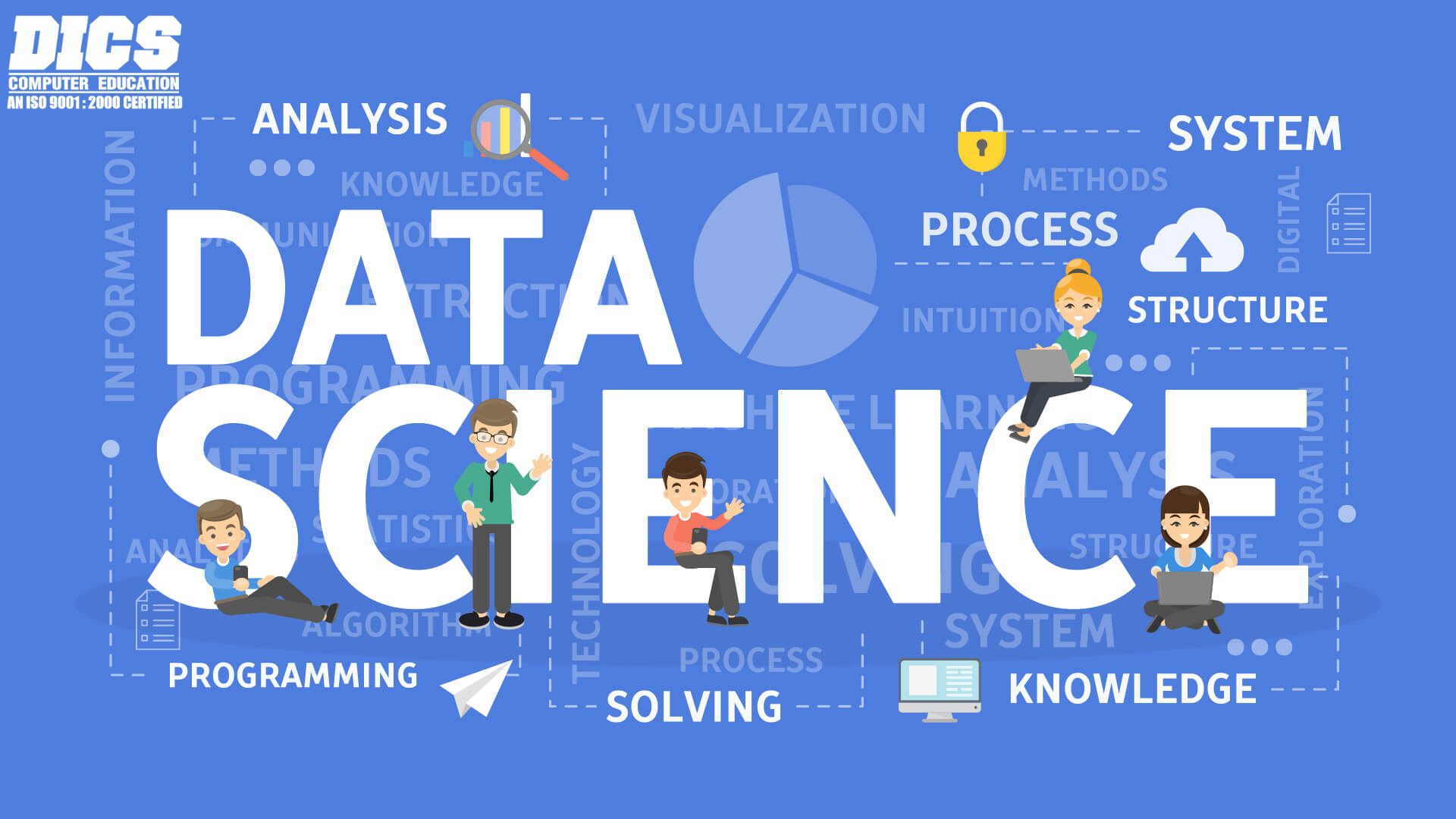
    Data science has emerged as one of the most sought-after skills in the tech industry. From Fortune 500 companies to startups, organizations use data to drive decisions, improve operations, and boost growth. Learning data science is now essential for students and tech enthusiasts to stay competitive.

    What is Data Science?

    Data science is a multidisciplinary field that applies scientific methods, algorithms, and systems to analyze structured and unstructured data. By combining mathematics, statistics, computer science, and domain expertise, it uncovers insights, predicts trends, and solves complex problems.

    Why Data Science is a Game Changer for Students?


    1. High Demand and Career Opportunities

    According to LinkedIn, data science roles have been growing by 37% annually, and this trend is set to continue. Job titles like Data Scientist, Data Analyst, Machine Learning Engineer, and AI Specialist are some of the most sought-after positions in the market. Learning data science allows you to enter one of the fastest-growing fields with immense career potential.

    1. Problem-Solving Skills for Any Industry

    One of the key advantages of learning data science is the development of critical problem-solving skills.“Data scientists analyze large datasets to derive insights, build models that predict outcomes, uncover hidden patterns, and drive decisions.”

    These skills are transferable across various industries, whether it’s optimizing supply chains in manufacturing, improving patient outcomes in healthcare, or forecasting market trends in finance.

    1. Competitive Salaries

    With the increasing demand for data scientists, salaries in this field are significantly higher than the average tech job. According to Glassdoor, the average salary for a data scientist in the U.S. is over $100,000 per year, with experienced professionals earning much more.

    1. Mastering Cutting-Edge Technologies

    Data science isn’t just about crunching numbers. It involves working with the latest tools and technologies in artificial intelligence (AI), machine learning (ML), and big data. These technologies are transforming industries by automating processes, predicting trends, and even making real-time decisions. At DICS, instructors provide hands-on training with popular tools like Python, R, SQL, and TensorFlow, along with industry-standard frameworks.

    1. Improving Decision-Making and Strategy

    One of the most important aspects of data science is the ability to turn raw data into actionable insights. In business, these insights help leaders make smarter decisions, such as identifying market opportunities, optimizing customer experiences, or improving operational efficiency.  You’ll gain the ability to solve complex business problems and develop strategies that can have a real impact on an organization’s bottom line.

    1. Making a Global Impact

    Data scientists use their skills to tackle global challenges such as climate change, poverty, and public health. For example, they predict natural disasters, track disease outbreaks, and develop smart cities that optimize energy consumption. As a data scientist, you’ll have the power to contribute to meaningful solutions that improve lives and make the world a better place.

    How DICS Can Help You Master Data Science?

    At DICS, you’ll find specialized data science courses designed to equip you with the skills and knowledge needed to thrive in this field. These programs are tailored to provide practical, hands-on experience along with theoretical understanding.

    Project-Based Learning: DICS often emphasizes real-world projects where you work with real datasets to solve problems. This allows you to build a portfolio of projects, which can be showcased to potential employers.

    Expert Faculty: With experienced instructors who are industry professionals, you’ll gain insights into best practices, current industry trends, and how to apply your skills in real-world scenarios.

    Career Guidance: DICS offers placement support, resume building, and interview preparation to help you land your dream job in data science.

    Industry Collaboration: DICS frequently collaborates with companies for internships, guest lectures, and industry-oriented workshops, providing students with valuable networking opportunities.

    Ready to become a data scientist? Start your journey at DICS and unlock the potential of data to shape your future!


  • Why Learning WordPress Is Essential

    Why Learning WordPress Is Essential

    Why Learning WordPress Is Essential

    In today’s digital age, having a strong online presence is crucial for businesses and individuals alike. Whether you’re running a small business, launching a blog, or developing a portfolio, a well-designed website is key to success.

    WordPress, the world’s most popular content management system (CMS), powers over 40% of all websites, making it an essential tool for aspiring web developers. At our institute, we provide comprehensive WordPress courses designed to help students master this powerful platform and gain the practical skills needed to succeed in today’s competitive digital landscape.

    In this blog, we’ll discuss why learning WordPress is essential and how our training can set you on the path to a successful web development career.

    What is WordPress? Why learning WordPress is essential

    WordPress is a free, open-source CMS that enables users to create and manage websites with ease. Launched in 2003 as a blogging platform, WordPress has grown into a powerful and versatile content management system (CMS) for building any type of website, including e-commerce stores, corporate websites, portfolios, and more. With its user-friendly interface and extensive library of themes and plugins, WordPress is an ideal choice for both beginners and experienced web developers looking to create professional, high-performing websites.

    Why WordPress is a Must Learn Skill


    1. Wide Adoption and Versatility: WordPress is the go-to platform for millions of websites across the globe. Its versatility allows developers to create everything from simple blogs to complex e-commerce sites. By learning WordPress, you’re equipping yourself with a skill that is in high demand across various industries.
    2. Ease of Use: One of the biggest advantages of WordPress is its ease of use. Even those with minimal technical knowledge can quickly learn to create and manage websites using WordPress. This makes WordPress an ideal starting point for aspiring web developers who want to build skills without getting overwhelmed by complex coding languages.
    3. Extensive Community and Resources: WordPress boasts a large and active community of developers, designers, and enthusiasts. This means that if you ever run into a problem or need inspiration, there are countless resources available, including forums, tutorials, and documentation. This strong community support makes learning and troubleshooting much easier.
    4. Customization and Flexibility: With thousands of themes and plugins available, WordPress offers endless customization options. Developers can create unique websites tailored to their clients’ needs without starting from scratch. For those with coding skills, WordPress allows for even greater flexibility through custom themes and plugins.
    5. SEO-Friendly: WordPress is designed with search engine optimization (SEO) in mind. It offers various built-in features and plugins that help websites rank higher in search engine results. Understanding how to optimize a WordPress site for SEO is a valuable skill that can set you apart in the competitive web development market.
    6. E-Commerce Capabilities: With the rise of online shopping, e-commerce skills are more valuable than ever. WordPress, combined with plugins like WooCommerce, allows developers to create fully functional online stores. Learning how to build and manage e-commerce sites on WordPress can open up new career opportunities.

    How Our Computer Institute Can Help You Master WordPress

    At our computer institute, we offer a comprehensive WordPress course that guides you from beginner to advanced levels. Our WordPress training program gives you the practical skills and hands-on experience to create websites, start a freelance career, or boost your web development expertise.

    • Expert Instructors

      Our instructors are seasoned professionals with years of experience in web development. They bring a wealth of knowledge to the classroom, providing real-world insights and practical tips that go beyond the basics.

    • Hands-On Projects

      : We believe in learning by doing. Our course includes hands-on projects where you’ll create and manage your own WordPress websites. This practical approach ensures that you’re not just learning theory but also applying what you’ve learned in real-world scenarios.

    • Up-to-Date Curriculum

      : The world of web development is constantly evolving, and so is our curriculum. We keep our course content updated with the latest WordPress features, tools, and best practices to ensure you’re learning the most current and relevant skills.<strong>Customization and Coding: While WordPress is user-friendly, we also teach you how to customize themes and plugins using HTML, CSS, and PHP. This knowledge allows you to create truly unique websites and sets you apart from developers who only rely on pre-made themes.</li>

    • Certification: Upon completion of the course, you’ll receive a certification recognized by employers and clients. This certification not only validates your skills but also gives you a competitive edge in the job market.

    “Master WordPress and secure your future as a web developer. “Leveraging PHP’s popularity, simplicity, and flexibility, our institute equips you with the practical skills and knowledge to excel in today’s digital world.”

    Ready to start your journey? Enroll today and take the first step toward becoming a skilled web developer with endless opportunities ahead.

Delhi Institute of Computer Science-LOGO
student of dics
alumni of dics
ex student of dics
75+

Talk to our Expert

Take the first step towards a smarter Future 🚀

By submitting the form, you agree to our Terms and Conditions and our Privacy Policy.